
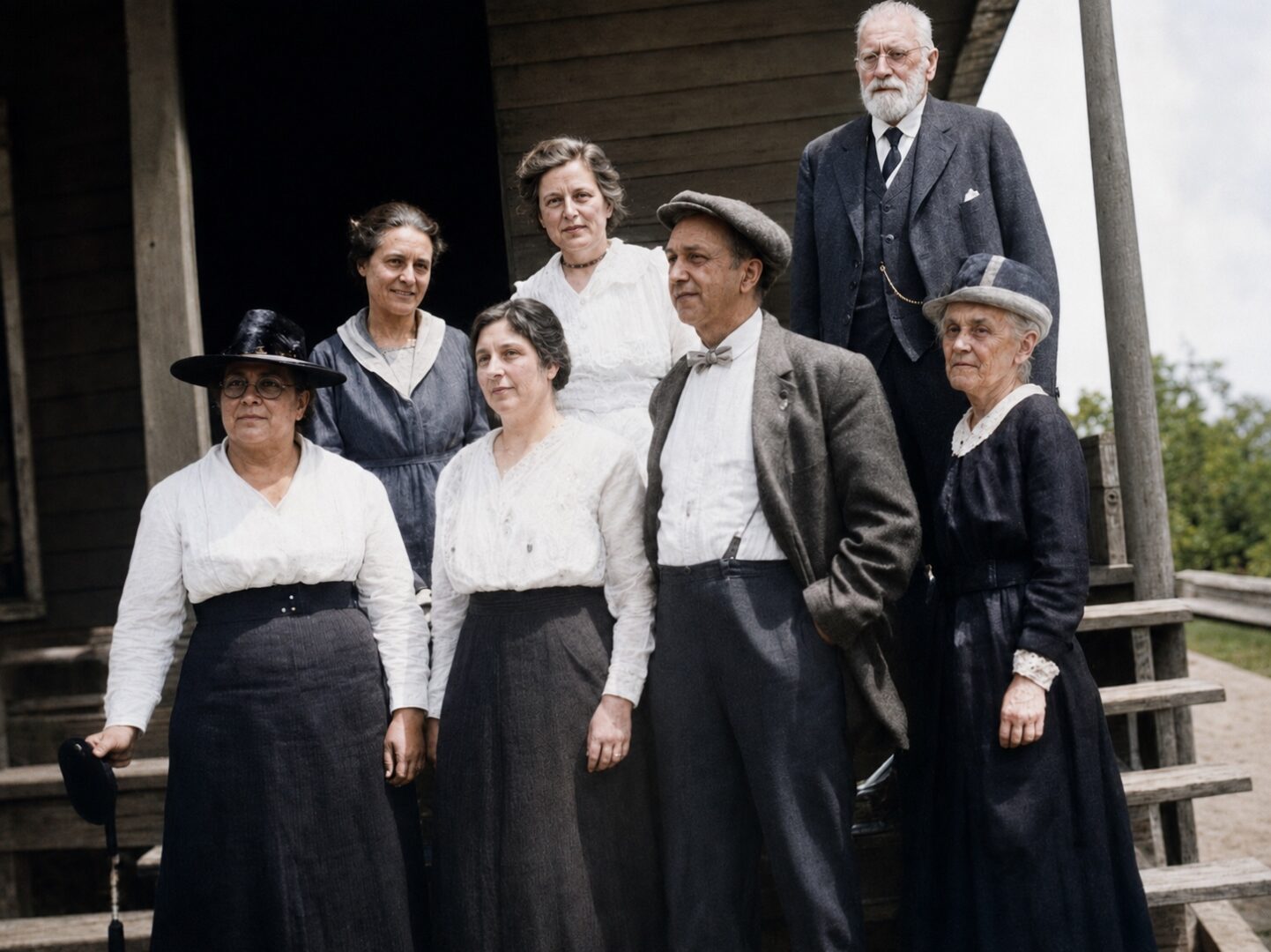
In the late 19th century, Central Florida was a frontier of pine forests, citrus groves, and quiet railway towns that drew northern settlers seeking warmth, health, and fresh beginnings. Among the most beloved settlers in Longwood’s early decades were a father and daughter from Connecticut: John Holt Dunbar and Elsie A. Dunbar.
For four decades, the Dunbars’ lives were woven into the town’s everyday fabric and development. They were each dear friends and town leaders. From hand-crafting orange crates in a Warren Avenue shop to founding Longwood’s first public library, the Dunbars left a physical and civic legacy that continues to define Longwood’s Historic District today.
Tragedy, Devotion, and a New Frontier
John Holt Dunbar was born on August 2, 1830, in Plymouth, Connecticut. Life took a tragic turn in 1862 when John’s wife, Huldah L. Barnes Dunbar, died of tuberculosis at just 31 years old, leaving him a young widower. Following her early death, he moved to Philadelphia, where he operated a successful woodenware manufacturing business.
John never remarried. Instead, he raised his daughter, Elsie (born February 1, 1857), and the two formed an enduring lifelong bond. Elsie became her father’s primary caregiver and constant companion through the rest of his long life.
Around 1902, seeking relief from northern winters and hoping to bolster his health, 72-year-old John traveled south to Florida with Elsie (then around 45). They chose the charming, sleepy town of Longwood as their winter sanctuary—a decision that transformed both their lives and the town itself for the next four decades.
Life on Wilma Street
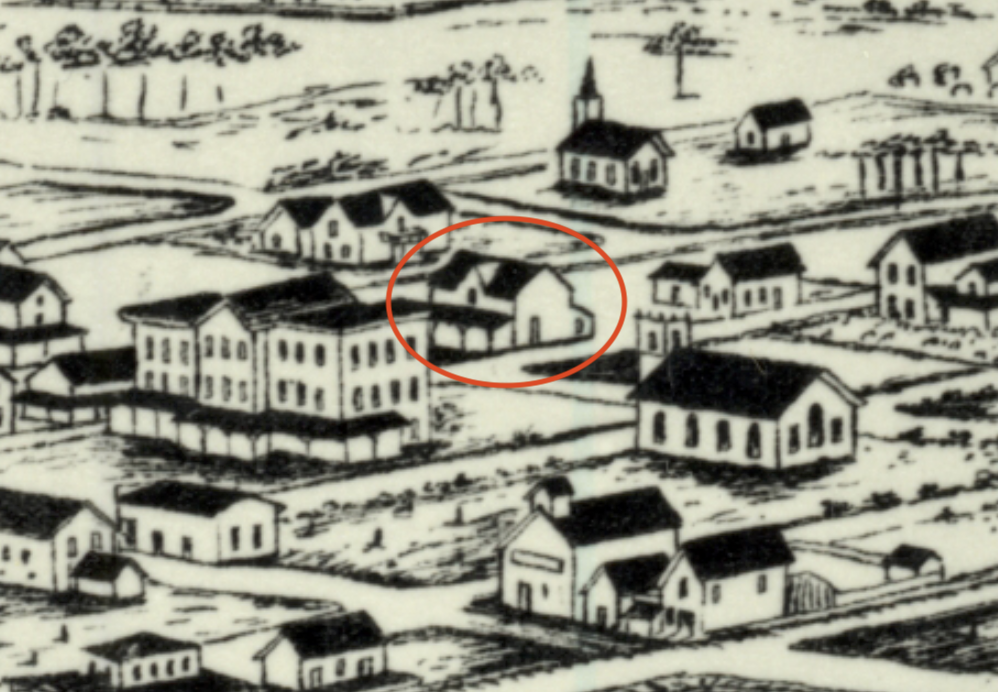
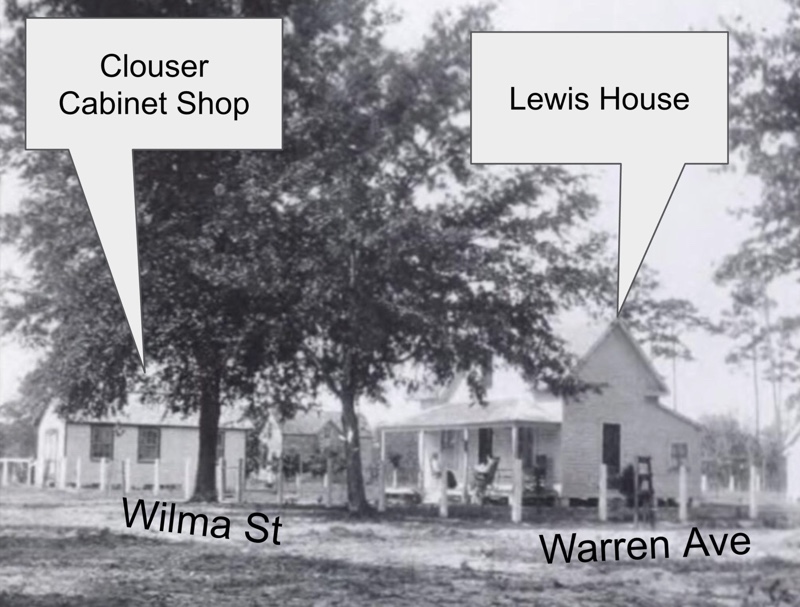
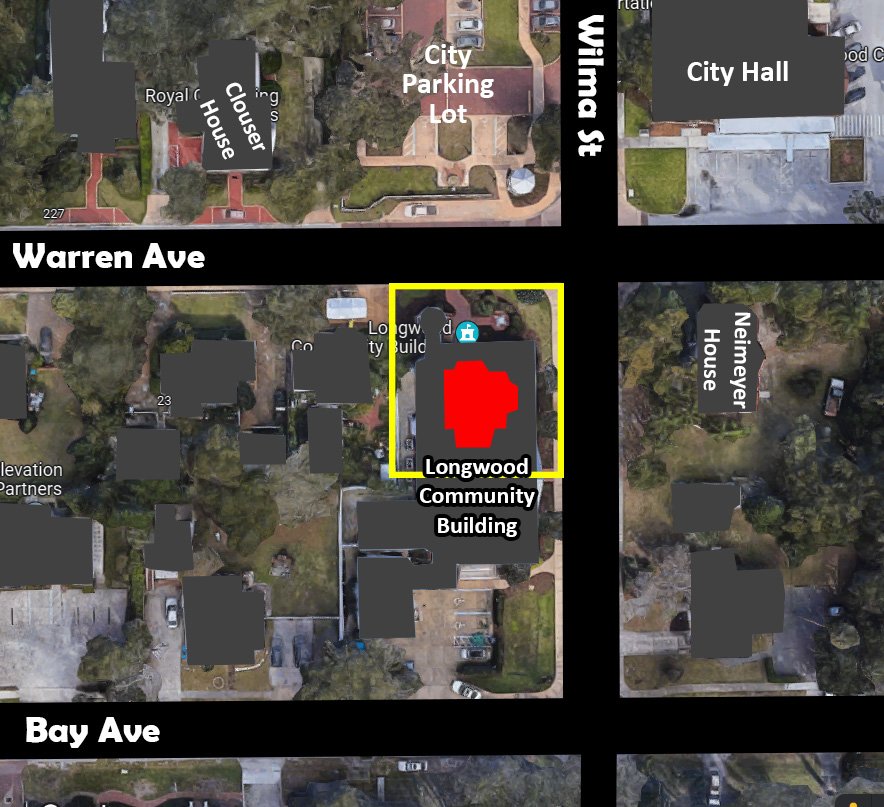
John and Elsie made the J.D. & N.J. Lewis House their winter home, named for the two brothers who built the home by 1885. The classic Florida Cracker-style residence originally stood at the corner of Wilma Street and Warren Avenue—the exact location where the Longwood Community Building stands today.
Living at the center of town put the Dunbars at the heart of a tight-knit neighborhood of pioneer families. Their immediate neighbors and close friends included the Niemeyers and the Clousers, who became like extended family.
Directly beside their home on Warren Avenue, John established his woodworking shop, known to locals as Dunbar’s Garage. Drawing on decades of experience in the woodenware trade, John spent happy hours handcrafting wooden fruit crates to support the booming local citrus industry, while helping neighbors with custom woodworking, construction, and repairs.
His brother Levi H. Dunbar joined him in Longwood in 1912, building a two-story house on Bay Street. Levi lived there until he passed away in 1923 at 90-years-old.
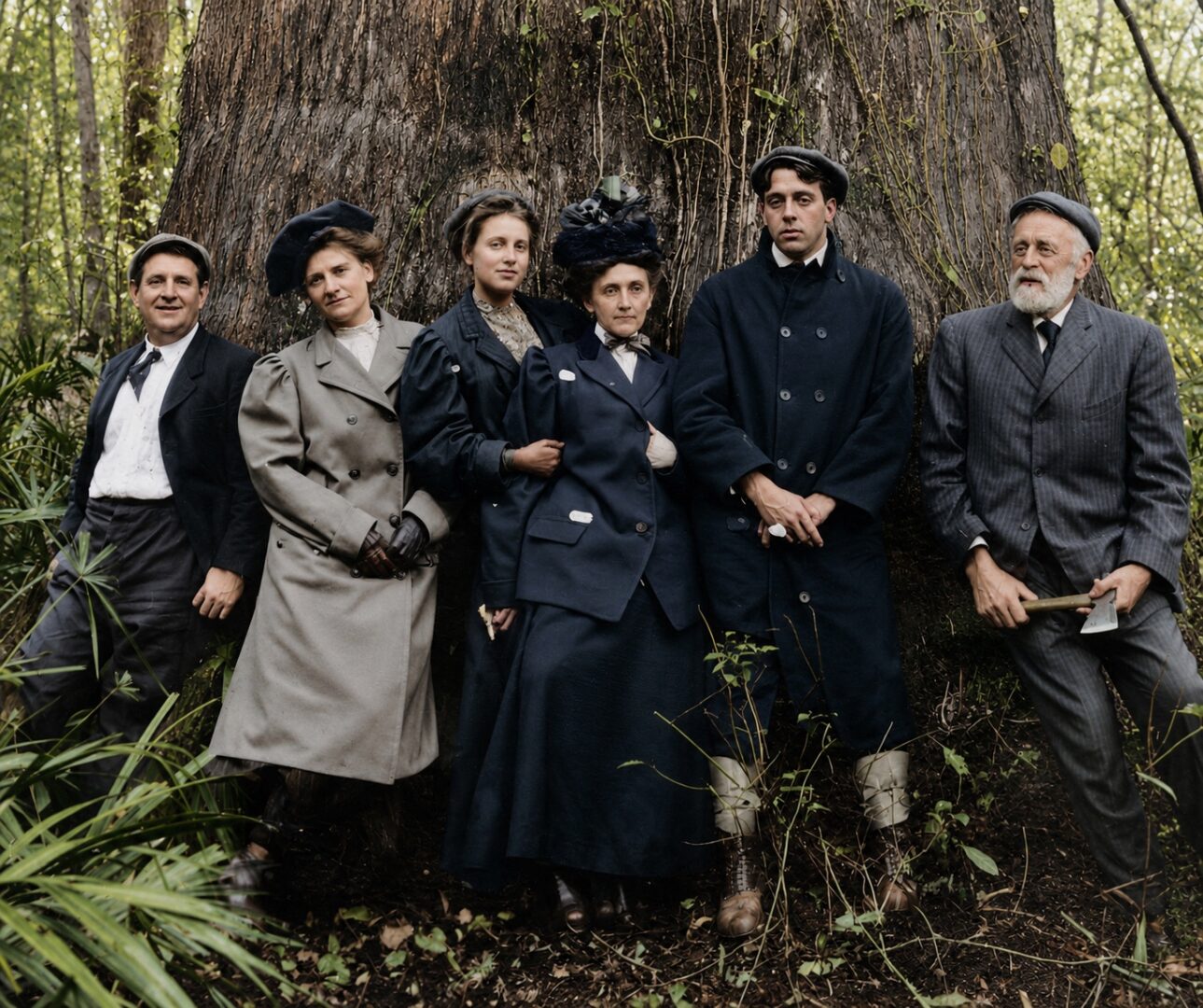
Despite his advancing years, John was active, hearty, and deeply engaged in community growth. Local newspapers celebrated his birthday in the 1920s as Longwood’s “oldest man.” His name appears in town legal records alongside his neighbor F.J. Niemeyer, petitioning Seminole County officials to construct a “strawed road” over deep sand from “Clay Road” (now Milwee Avenue) out to the Rangeline. During the Florida Land Boom of the mid 1920s, he marveled at the town’s rapid growth and how different it was from when he arrived 25 years earlier.
In late August 1930, just weeks after celebrating his 99th birthday, John passed away at his summer home in Willow Grove, Pennsylvania. He was laid to rest alongside his wife Huldah in his hometown of Plymouth, Connecticut. Elsie would eventually join them there.
Family Home and Dunbar’s Garage
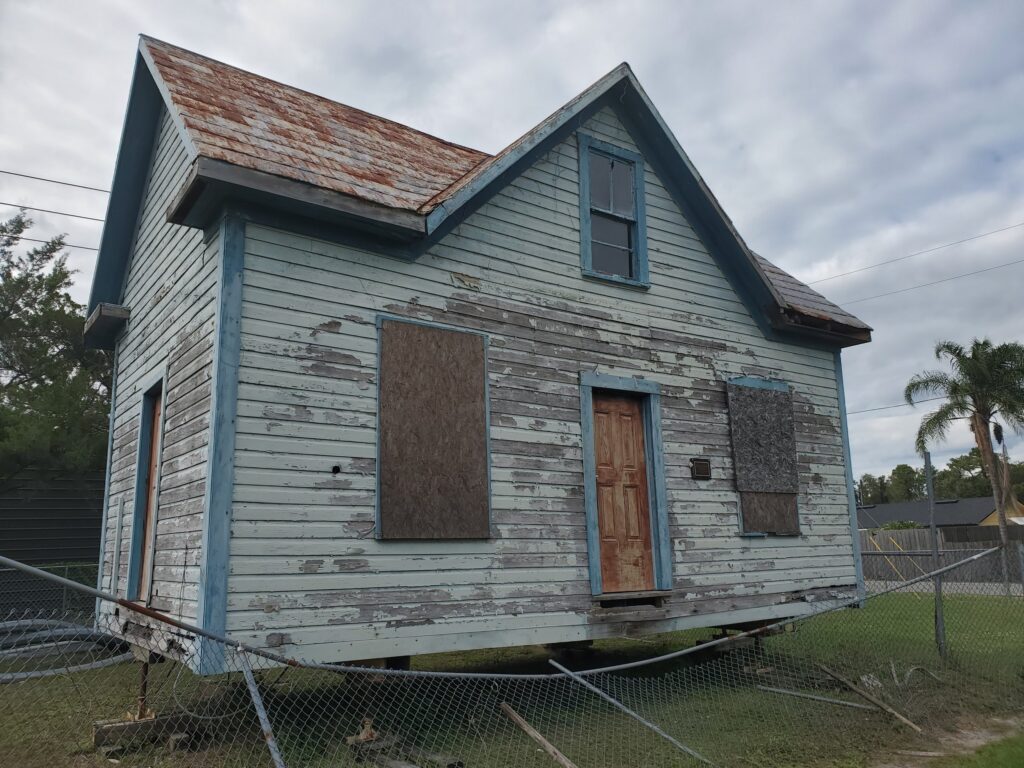
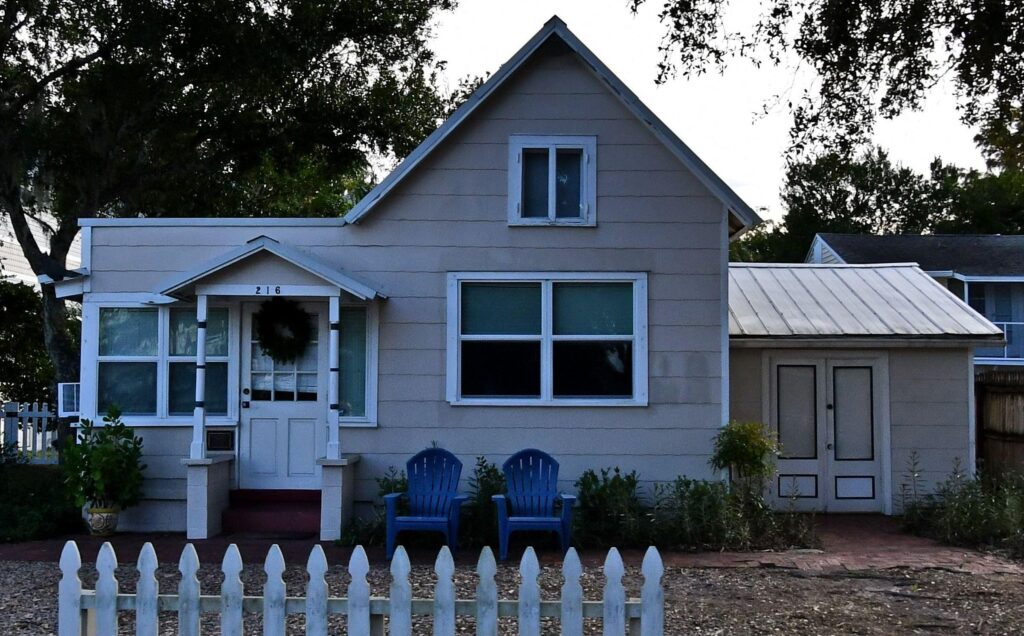
The physical legacy of John’s workshop has its own remarkable story of survival.
In the mid-1990s, the City of Longwood purchased the former Dunbar property with plans to construct the Longwood Community Building. That project was completed in 2002.
They preserved the Dunbar workshop, which stands directly next door on Warren Avenue. The historic Clouser Cabinet Shop (originally behind the Dunbar home at Wilma and Bay) was moved to the rear of the Dunbar Garage, seamlessly merging two pioneer woodworking legacies into a single standing structure. For years, it was known as Davey’s Toy Shop and other retail shops before that, and it is now a family home.
However, the Dunbar residence itself was made homeless by the new municipal building. It was first moved to an empty lot on Bay Street, where it stood for two decades before a developer sought to build modern homes there. Since 2014, the historic house has sat behind the police station, quietly awaiting its promised restoration.
Elsie Dunbar: Civic Visionary and Library Founder
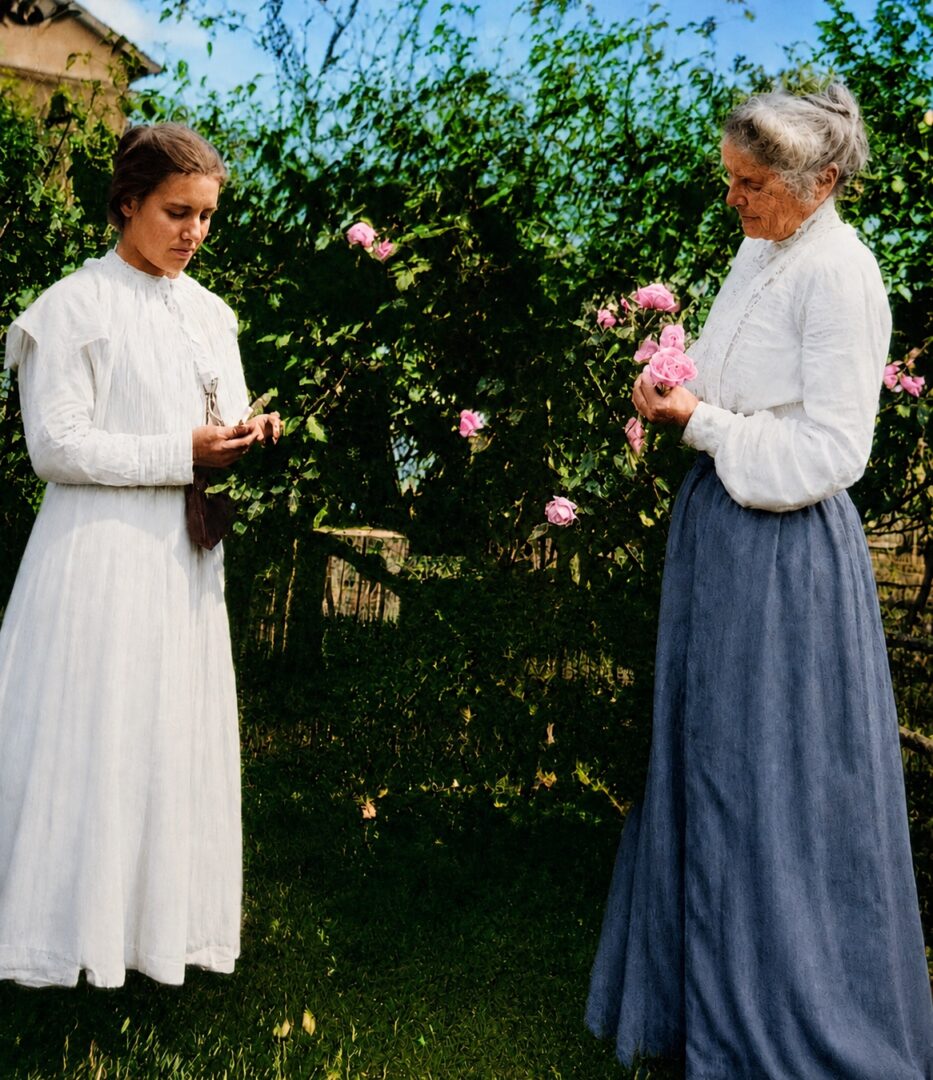
While caring for her father, Elsie Dunbar established herself as one of early Longwood’s most prominent civic leaders.
On December 28, 1911, Elsie gathered with a small group of visionary women at the historic Longwood Hotel to organize the Longwood Improvement Society (officially renamed the Longwood Civic League in 1913, and later the Longwood Women’s Club). Elsie served as the organization’s original Secretary alongside her neighbor and close friend, Treasurer Miss Niemeyer.
Elsie and the Civic League saw the need for improvements to the town, from paving streets to lighting projects. They also saw the need for a dedicated building for town events.
Early pioneers built a modest wooden structure around 1879 to host classes, services, and town events. However, when Christ Church was built in 1881, it was no longer needed. New settlers of the area known as West Longwood relocated it to serve as the West Longwood Chapel, near the intersection of Church and Rangeline. However, that settlement was largely abandoned after the Great Freeze of 1894, and by 1913, the structure sat deteriorating.
Recognizing its potential, Elsie and the Civic League raised money to purchase and move the building back into downtown Longwood. The women purchased one lot, and F. Robinson of Sanford donated another to hold the town’s new civic center on Church Avenue.
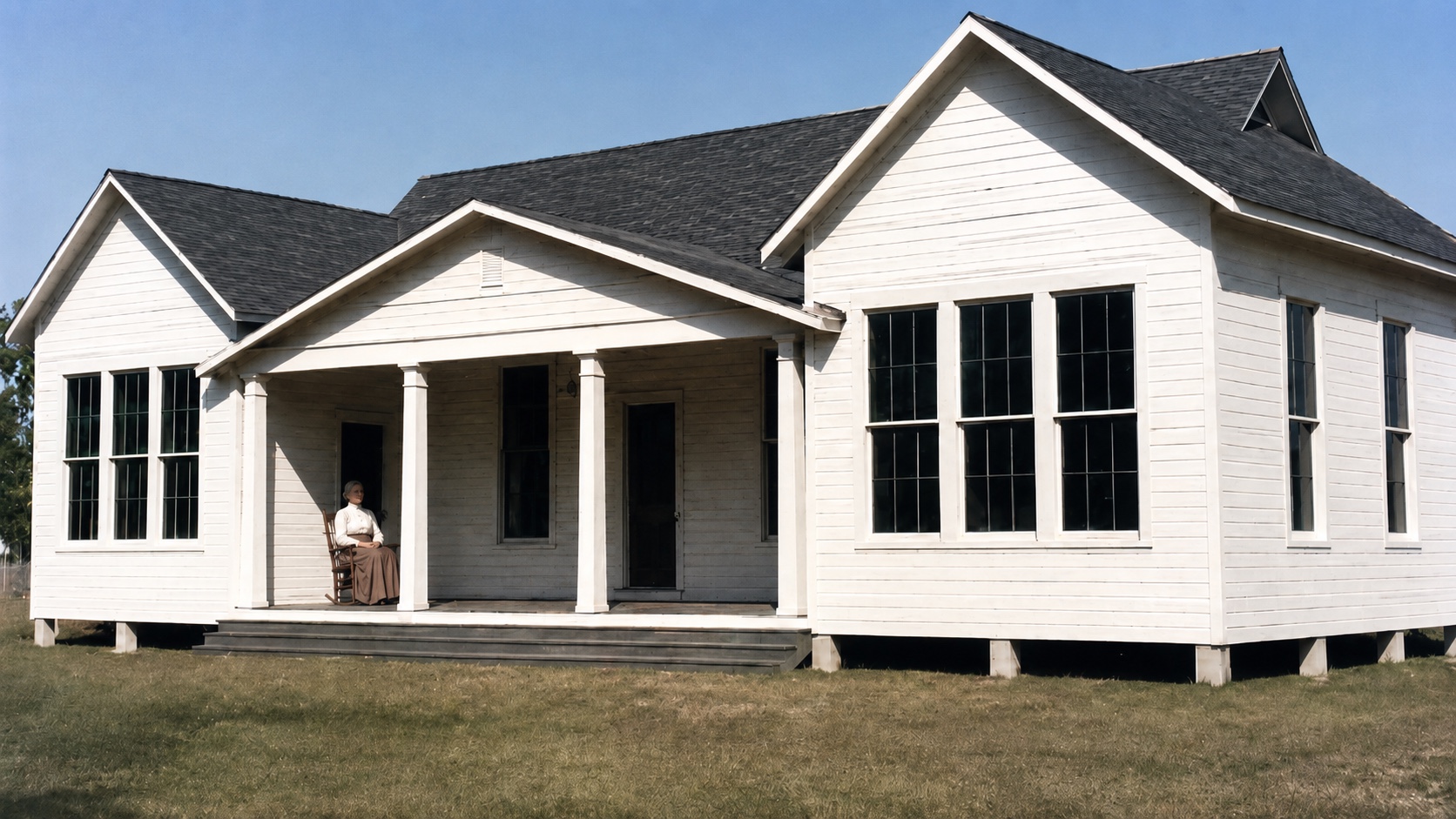
The building housed the town library on one side and featured a stage and open hall for civic meetings on the other. It hosted graduations, theater performances, concerts, and bazaars. For decades, it stood as the central hub of Longwood social life.
Elsie’s initiative and love of education created the library there, which was an institution in Longwood at least through the 1960s. Elsie was considered its founder and original curator/librarian; she spearheaded fundraising for equipment and books.
Elsie continued her winter routine in Longwood until falling ill in early 1941. She passed away at age 84 in Philadelphia following surgery and was laid to rest beside her parents in Connecticut. Her dedication to Longwood endured even after her death; a generous bequest from her estate allowed the Civic League to purchase $4,000 in U.S. Defense Bonds to support the country during World War II.
Today, that library/events hall stands as the Longwood Historic Civic Center—the official headquarters of the Longwood Historic Society and a direct monument to Elsie Dunbar’s vision.
Preserving the Dunbar Legacy: Saving the Lewis House
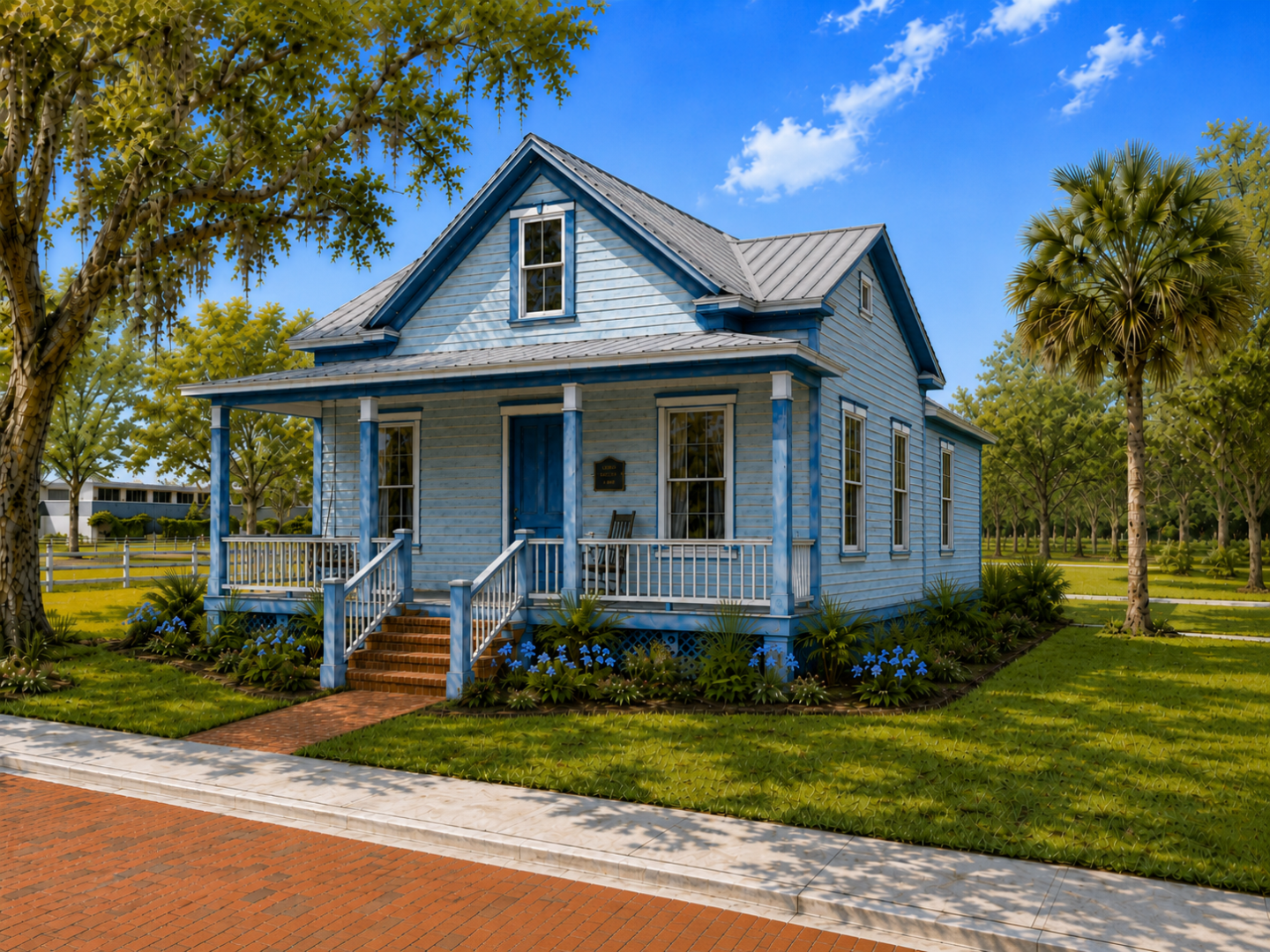
While the Civic Center and the moved Dunbar Garage structure remain standing in the district, the actual home where John and Elsie lived for nearly four decades—the J.D. & N.J. Lewis House—stands at a promising turning point.
After years of sitting behind the police station, exciting new momentum is building to fulfill the long-awaited promise of its preservation. Plans are currently underway to submit formal proposals that would rescue the 1885 residence and establish it as a restored historic anchor in the district—just a block from its original footprint on Warren Avenue.
Pulling off this vision will require a dedicated partnership between the city, community members, and corporate sponsors. Restoring the Lewis House isn’t just about saving timber and tin; it preserves the direct physical space where John Dunbar lived to be 100, where Elsie Dunbar drafted plans for Longwood’s first library, and where two dedicated pioneer transplants helped lay the foundation for our community.