
Historic District
-
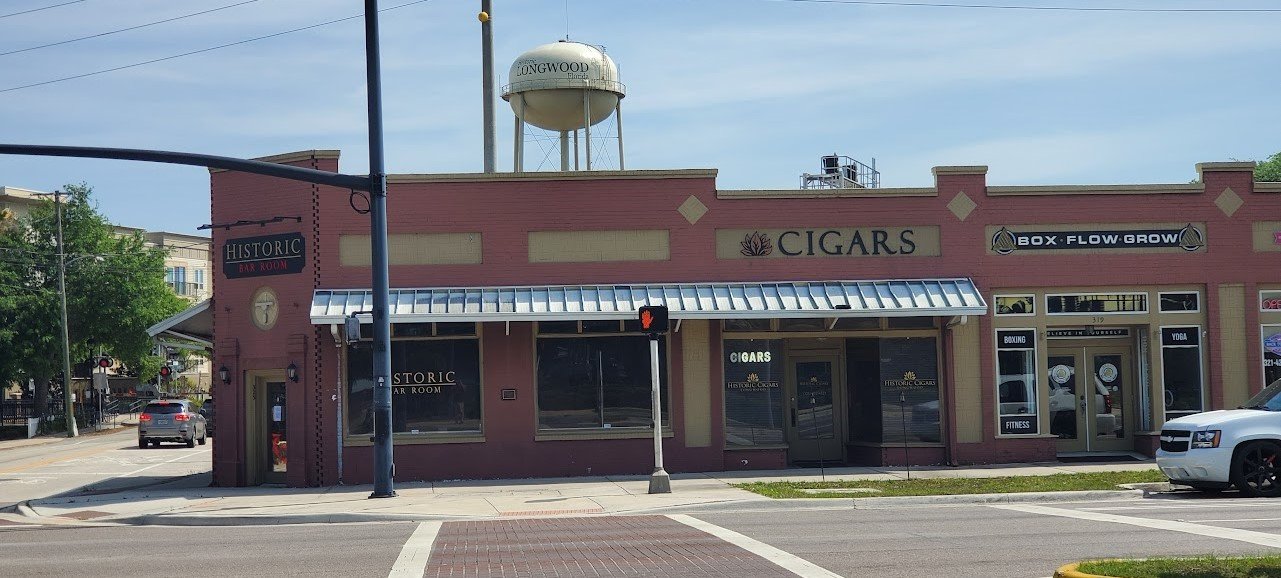
Henck-Tinker Building
Over the decades this building has been used for various things. Starting its life as a bank, it has been a feed store, thrift shop, restaurant, grocery, and today it holds a bar, cigar bar, workout studio, barber shop, and coffee shop. Although some reports claim this building was constructed in 1920, those claims are false. It was actually constructed in 1926. At the height of the real estate boom, Longwood founder Edward Henck teamed up with baseball hall-of-famer turned real estate investor Joe Tinker. Tinker was well known for his time as a shortstop for the Chicago Cubs, there…
-
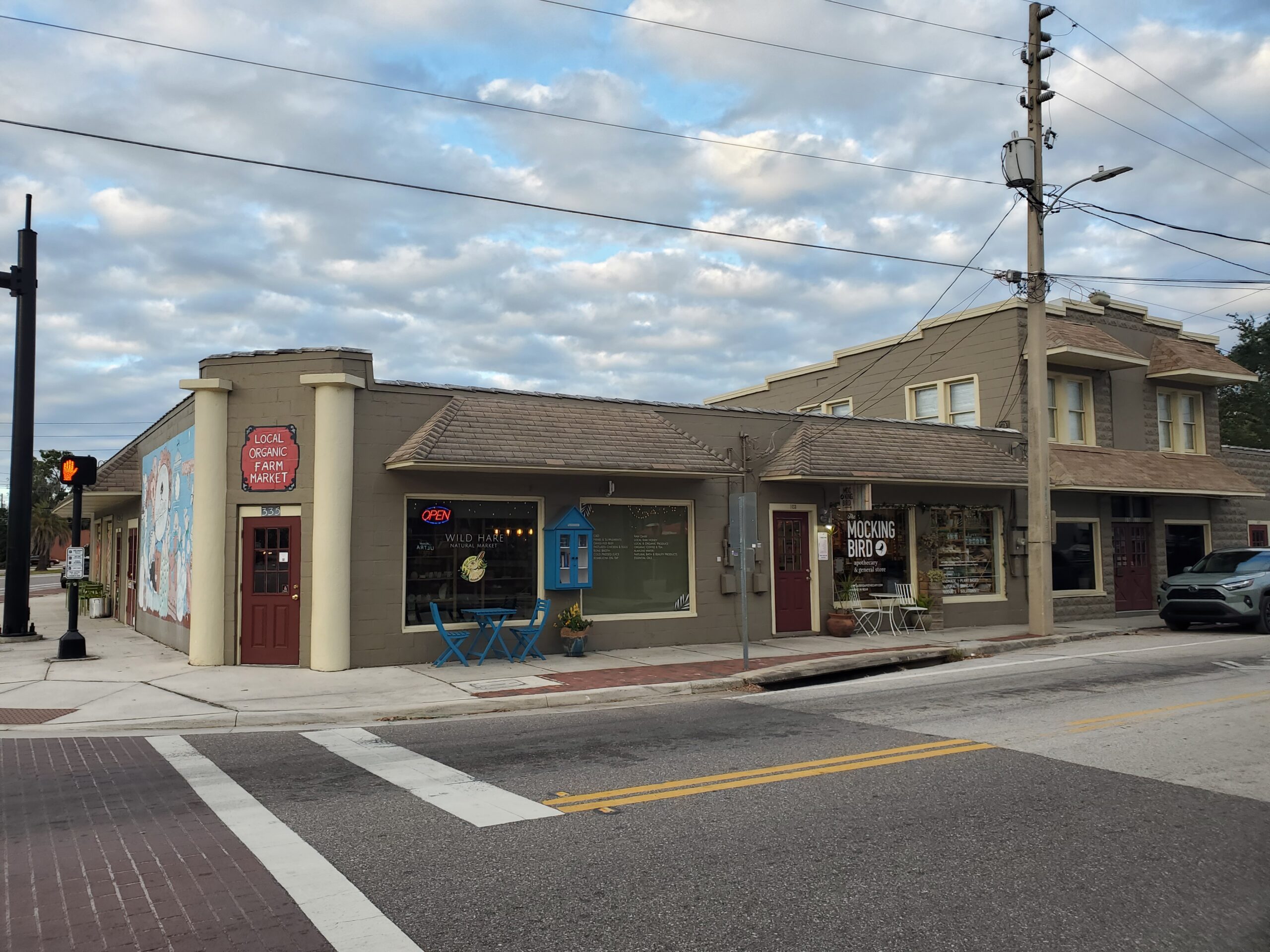
Payne Building
The two-story section was built in 1920 by Lester and Blanche Payne. It was constructed soon after they purchased the Old Post Office next door. This addition was built by local carpenter S. R. Long. The one-story front section (adjoining 427) was added later. It is built out of rusticated concrete blocks, in a Masonry Vernacular style that is typical of the boom years in Florida. The corner facing the intersection has a decorative stepped parapet accent wall. Originally there was a cantilevered sleeping porch that jutted out from the second floor over the sidewalk; however, it was removed in…
-

J. D. & N. J. Lewis House
This building has been relocated several times. It was initially built at 202 Wilma Street, at the corner of Wilma and Warren, where the Longwood Community Building is today. The home was constructed at least by 1885. It appears in the Bird’s Eye View of Longwood, a drawing from 1885. It is named for its first two inhabitants, brothers J.D. and N.J. Lewis. The brothers lived in the upstairs loft and operated their attorney’s office on the 600-square-foot bottom floor. However, they left the area after a few years, and little is known about them. After the brothers left town,…
-
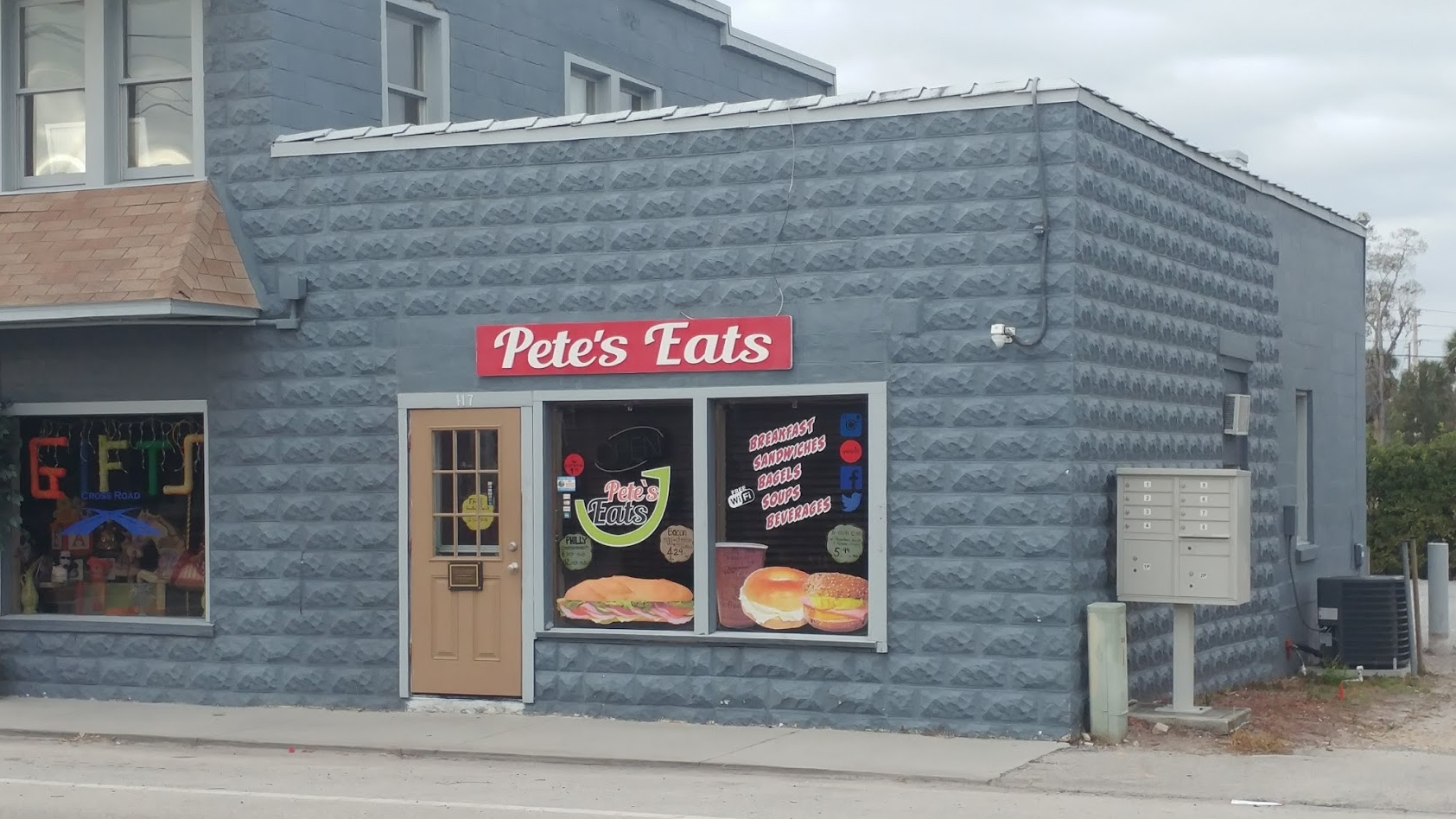
Old Post Office
Reports are conflicting, but this building was built in 1910. Around 1920 it was purchased by Lester and Blanche Payne, who built the two-story adjoining building next door. This building served as Longwood’s post office from 1932 through 1946, and Blanche Payne (wife of Lester) served as the postmaster for all of those years. In fact, she continued on in that role after the post office relocated next door until 1958. This building is a simple one-story commercial structure, typical of many constructed during the 1910s and 1920s. For several years it hosted Pete’s Eats, a popular lunchtime sandwich shop.…
-
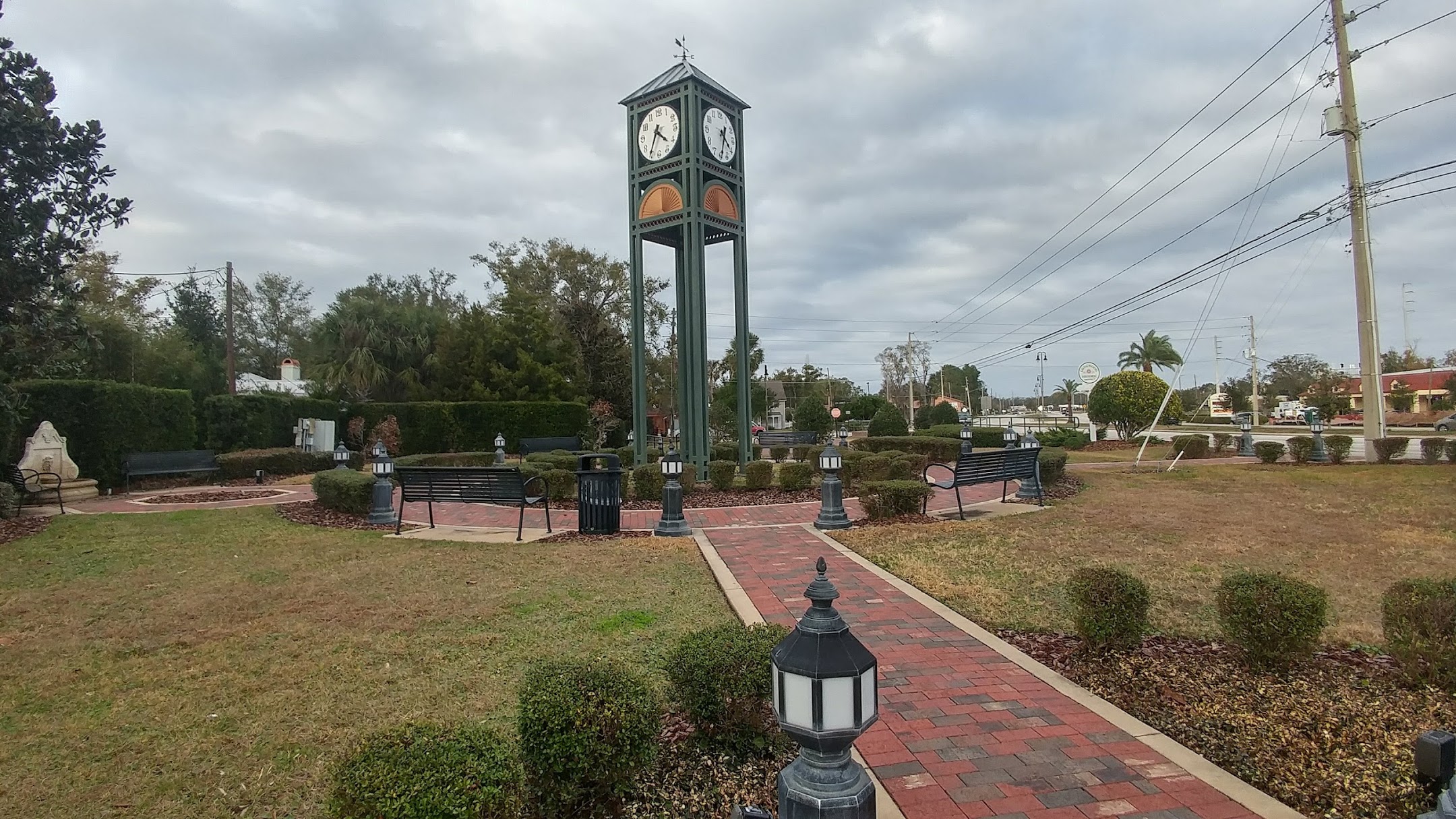
Clocktower Park
This was the site of the J. H. Allen grocery store, which was built in 1908. The large two-story structure had retail space on the first floor, while Mr. and Mrs. Allen lived on the second floor. The store caught on fire on September 5, 1930, and was destroyed. It was demolished in the 1950s. In 1969 a new post office was opened in this spot. It didn’t have to move far, having previously been across SR 427 (then called East Lake Avenue) in the Payne Building. The postmaster at the time was William Bryant. This office served the city of…
-
McGaughey House
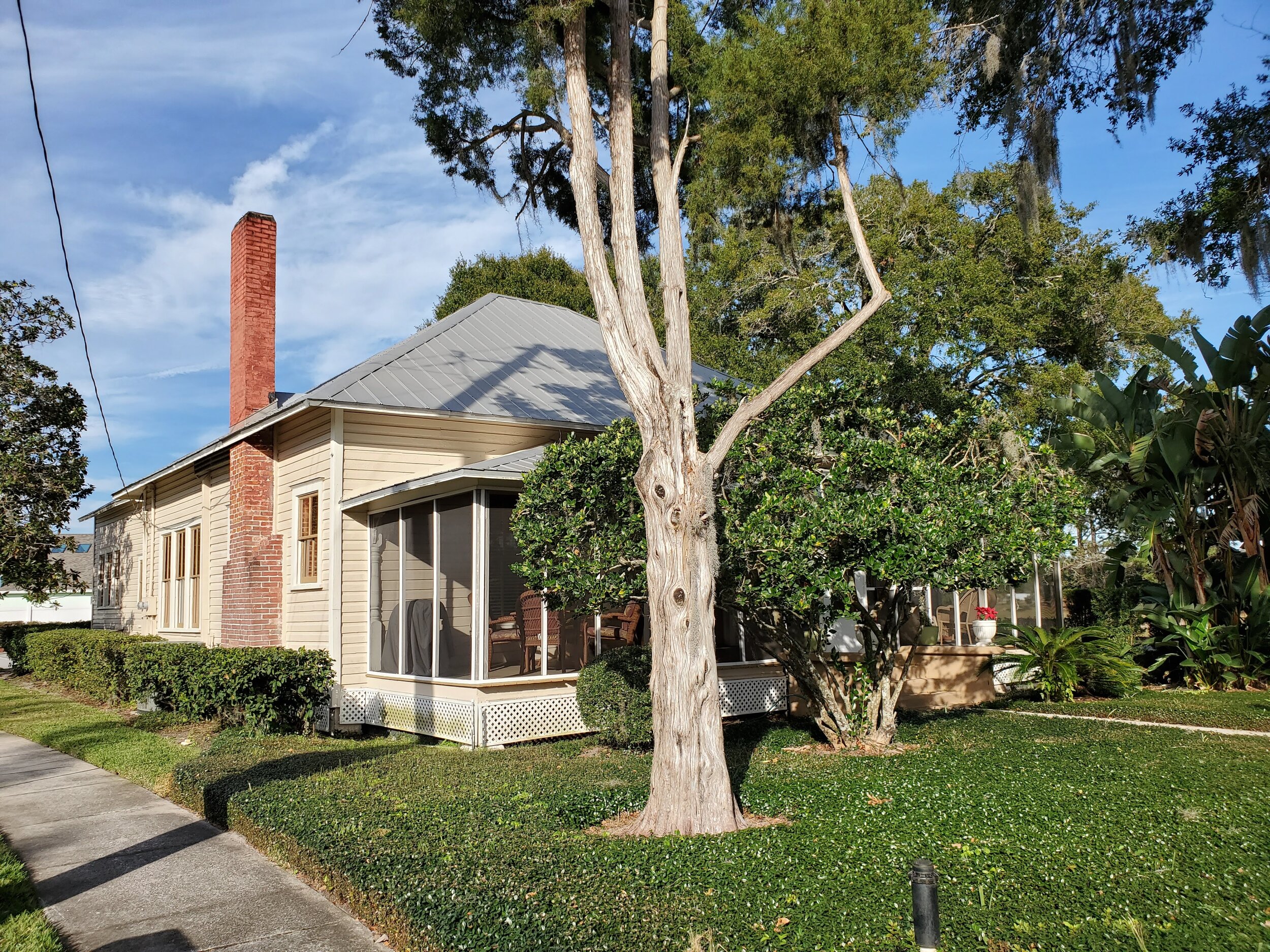
This was the home of John W. McGaughey, a native of Georgia. He owned Eva Lumber Company, which specialized in producing cypress shingles until they fell out of fashion in the 1920s. He then invested in citrus groves. McGaughey contracted Daniel Clouser to build the house for him in 1914. There is also a garage on the property that was built in 1917. John and Eva McGaughey had three children. In the 1920s, it was home to J. E. Walker, founder and president of the Longwood State Bank. Walker was also the mayor of Longwood in the 1920s, but died…
-
Henck House
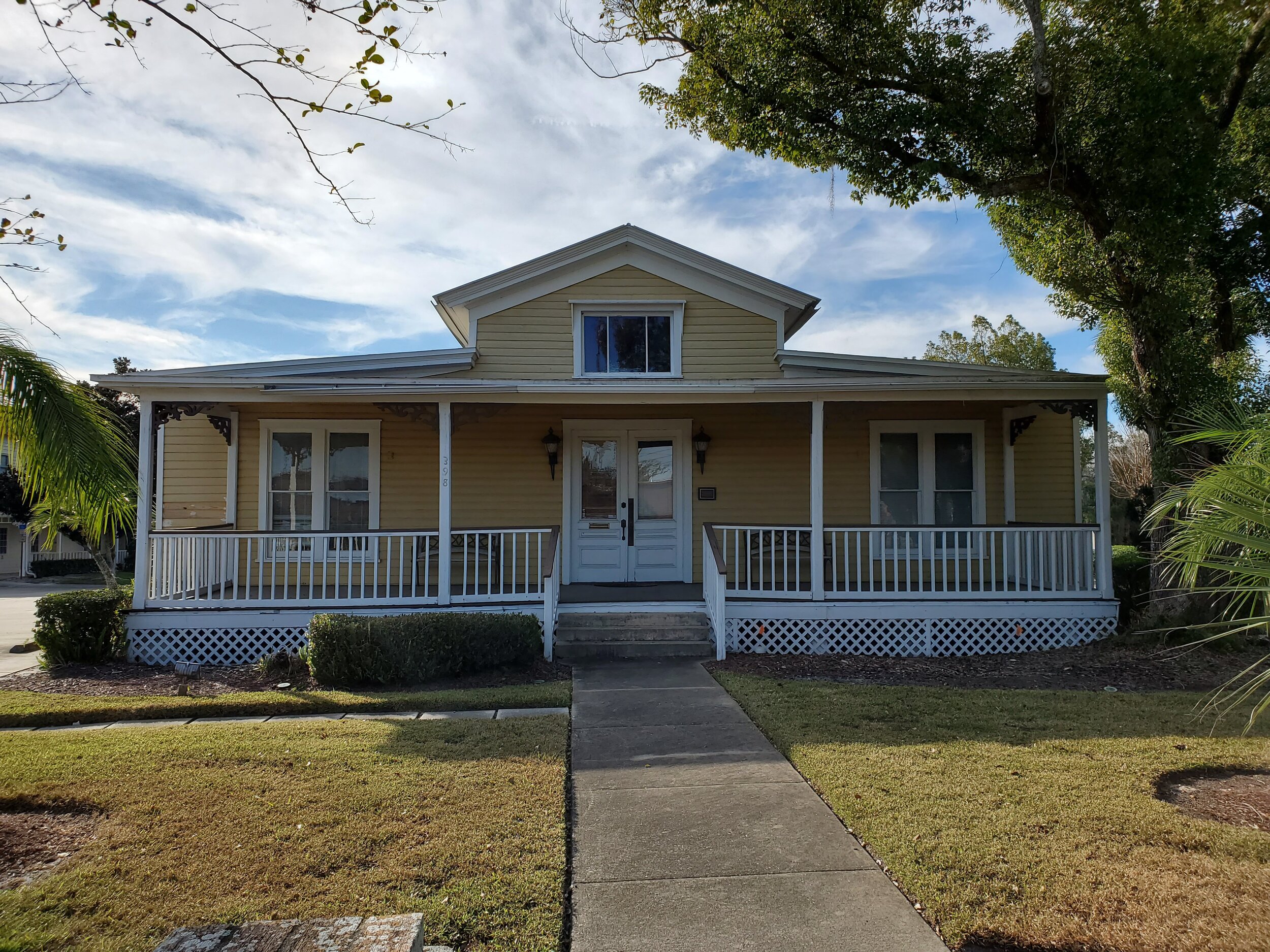
This was the house of Longwood’s founder, Edward Warren Henck. He first arrived in Longwood in November of 1873 and was given a land grant under the Homestead Act that included all of the historic district and northward almost to Longwood Hills Road. His first home was reportedly near the southern shore of East Lake, but Edward and his wife (Mary) soon relocated closer to the core downtown district. Some references claim this house was constructed as early as 1875, but others say it was built by master carpenter Josiah Clouser. That would mean at least an 1881 date (when Clouser arrived). We…
-
Entzminger Garage Apartment
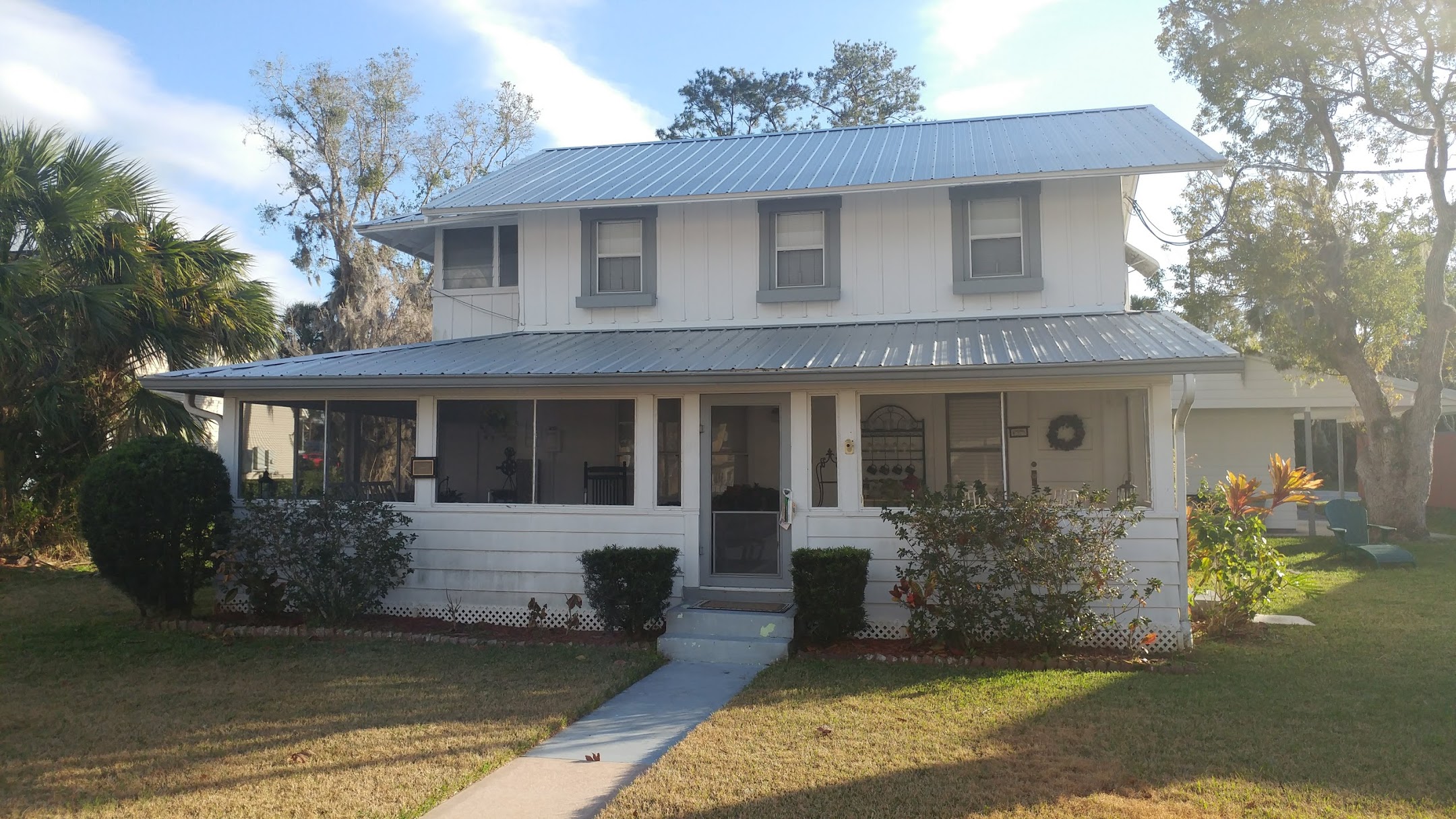
Constructed by Charles Entzminger in 1926 at the same time as the next door house at 288 Freeman Street. It was originally build as a garage apartment. The second floor portion is original, as well as possibly the sleeping porch. However, the front and side porch on the first floor were probably aded after the garage was converted into living space.
-
Jackson House
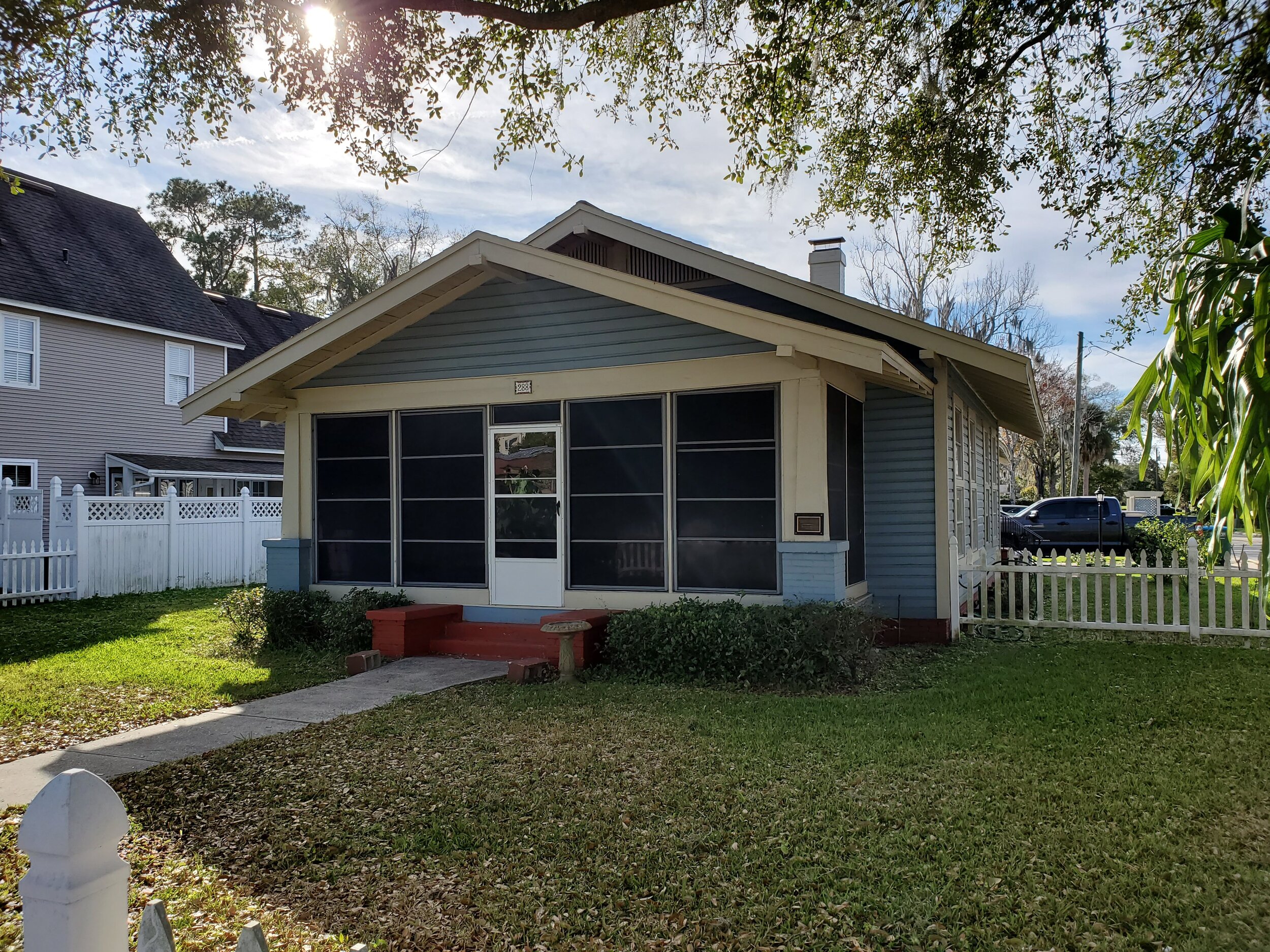
There are conflicting records about when this house was actually built. But the most likely story goes that it was constructed in 1924 by Charles Entzminger. Popular legend says he built it for his daughter, who had “recently” gotten married. Entzminger’s only daughter was Maud. She was born in 1899 and married William Satcher of Sanford in 1918. Satcher was a railroad worker. The Entzminger family were among the most prominent citizens during the Boom Period of Longwood. Charles Entzminger was a member of the Florida legislature and a popular businessman. He owned the Longwood Hotel for a time, after…
-
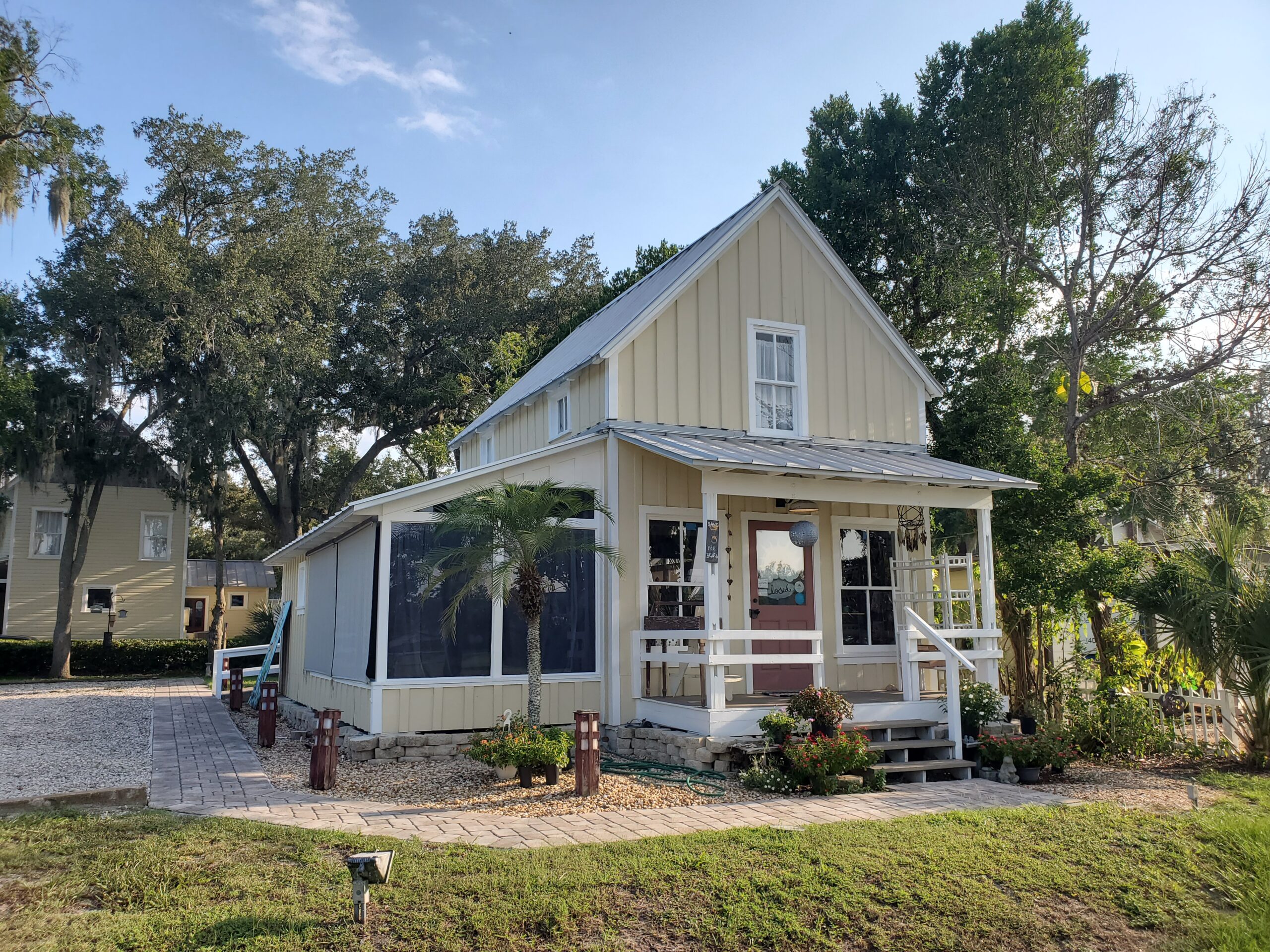
Clouser Cottage
Josiah Benjamin Clouser lived in Pennsylvania with his wife and two children. When his wife’s health began to fail, doctors recommended that she move to a warmer-weather state to recuperate (a standard medical suggestion at the time). Being a carpenter by trade and seeing an advertisement by Longwood founder Edward Henck that they needed a master builder, he answered the call. In 1880, the family relocated to Longwood. Upon arriving, Clouser found the house provided to him was infested with fleas. He was disgusted and refused to stay in it after the first night. Hastily, Clouser built this temporary home…